

Types of memory/related conditions
Contents
- FNC/FND Functional cognitive/neurological disorder
- MCI Mild Cognitive Impairment
- ABI Acquired Brain Injury
- Hypoxic and anoxic brain injury
- Neurodivergent
FNC/FND Functional cognitive/neurological disorder
https://www.alzheimers.org.uk/blog/functional-cognitive-disorder-fcd
Memory loss but not dementia: functional cognitive disorder (FCD)
Functional cognitive disorder causes problems with memory and thinking - symptoms that can look a lot like dementia. Although it can be challenging to get a diagnosis of FCD, the right treatment and support can help a person get better.
FND Functional Neurological Disorder is a medical condition where the brain struggles to send and receive signals properly. Often compared to a software rather than hardware issue, it causes genuine physical symptoms—like limb weakness, tremors, or seizures—without structural brain damage.
While the physical structure of the brain remains intact, the way it processes and transmits information is disrupted. Because the brain's "messaging system" misfires, patients lose voluntary control over various parts of their body.
MCI Mild Cognitive Impairment
https://www.alzheimers.org.uk/about-dementia/types-dementia/mild-cognitive-impairment-mci
Mild cognitive impairment is when a person starts to have problems with their memory or thinking. It can be a sign of a disease that will eventually cause dementia but MCI is not dementia and can be caused by other health problems.
Common Signs and Symptoms
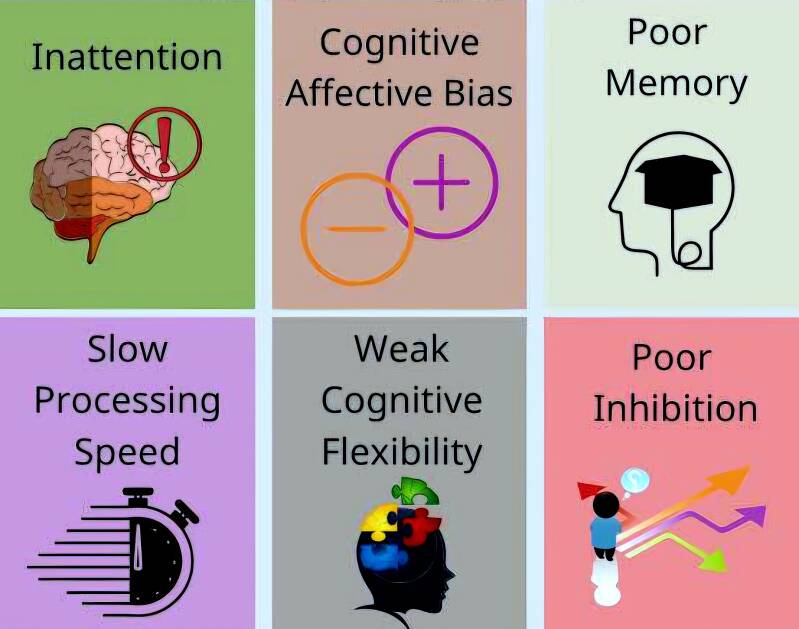
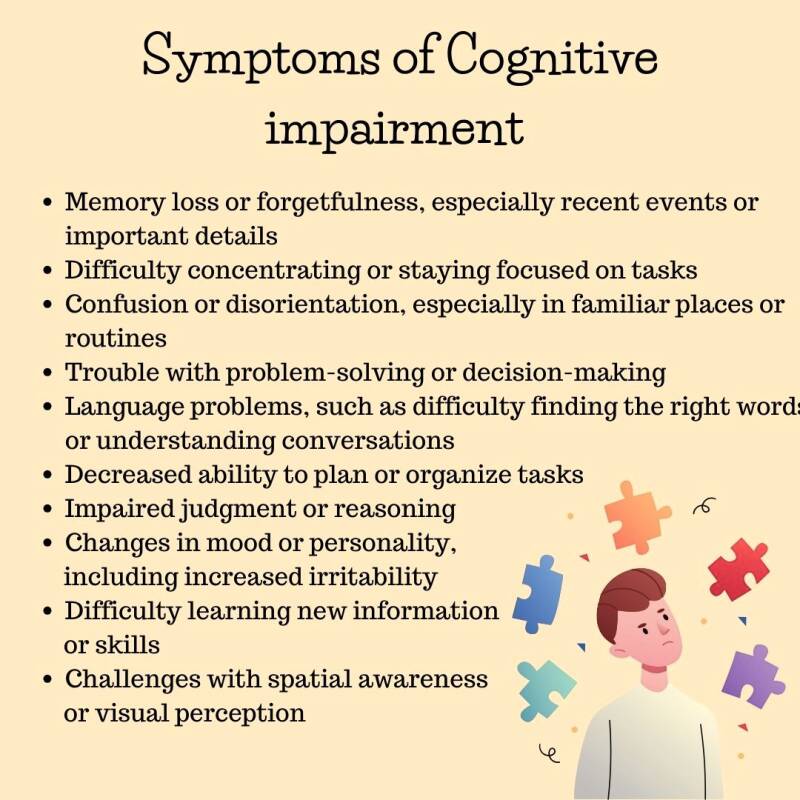
While the severity varies, cognitive impairment generally involves noticeable challenges in one or more of the following areas:
- Memory: Frequently forgetting recent events, names, or important appointments.
- Language: Trouble finding the right words or following a conversation.
- Focus & Attention: Losing one's train of thought, easily getting distracted, or struggling to follow complex instructions.
- Executive Function: Difficulty solving problems, managing medications, or making decisions.
- Spatial/Visual: Getting lost in familiar places or having trouble navigating.
- Behavior/Mood: Uncharacteristic changes in personality, anxiety, or loss of motivation.medications.
- Neurological/Neurodegenerative Common Causes
- Cognitive impairment can be caused by a wide variety of medical, environmental, or psychological factors:
- Reversible or Treatable Causes: Vitamin deficiencies (especially Vitamin B12), thyroid conditions, depression, sleep apnea, dehydration, or adverse reactions to medications.
- Neurological/Neurodegenerative Diseases: Alzheimer's disease, Parkinson's disease, dementia with Lewy bodies, or Huntington's disease.Vascular Issues: Strokes or mini-strokes (TIAs), which restrict blood flow to the brain.Brain Injury: Traumatic brain injuries (TBI), brain tumors, or infections.Substance Abuse: Long-term alcohol or drug misuse.
ABI Acquired brain injury
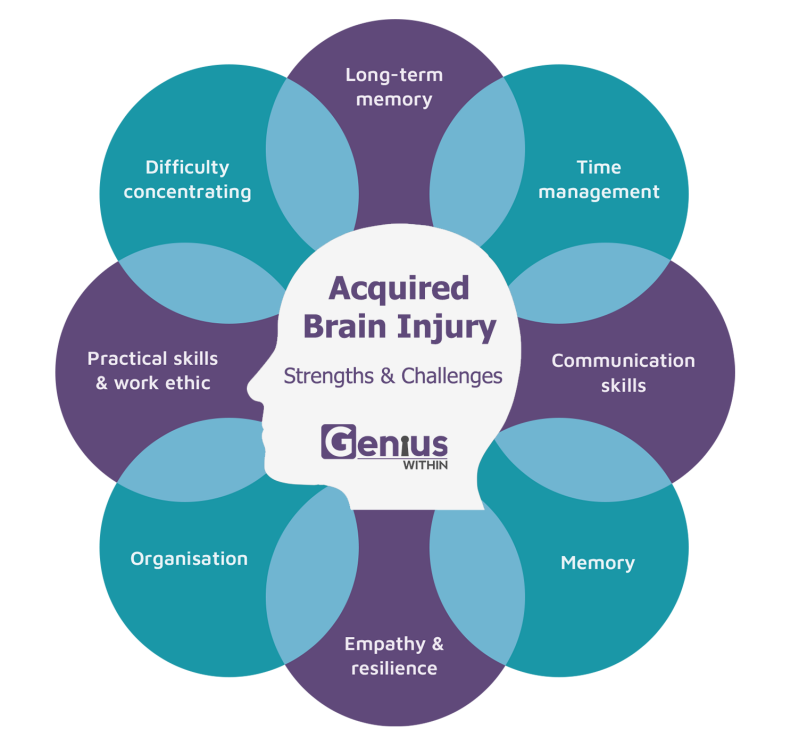
An acquired brain injury (ABI) is any damage to the brain that occurs after birth. Unlike conditions present at birth or degenerative diseases, ABIs are typically caused by trauma, medical events, or environmental factors.
The primary forms and causes of an ABI include:
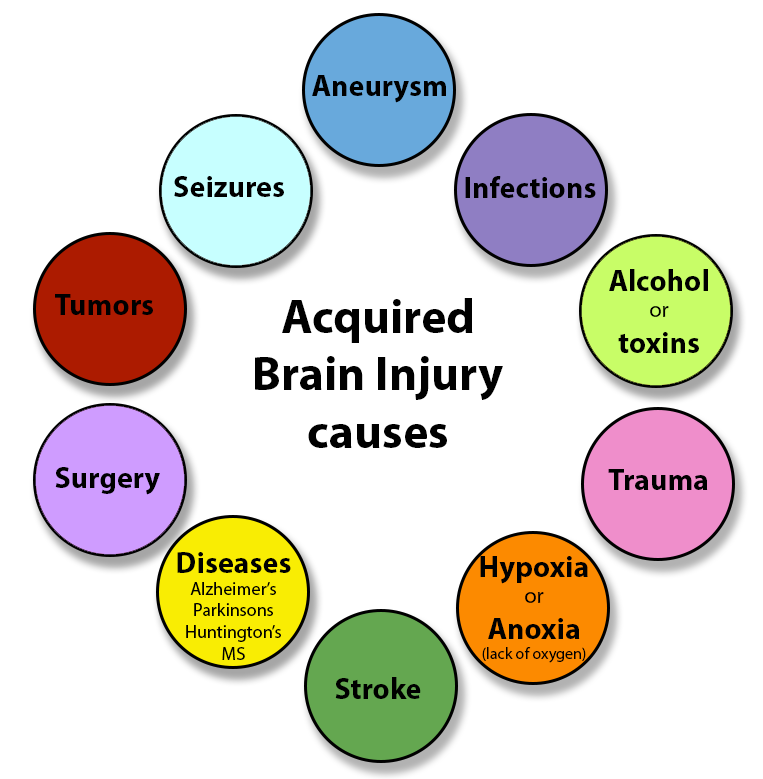
Traumatic Brain Injury (TBI): Caused by an external physical force. Common triggers include road traffic accidents, falls, assaults, and sports injuries.
Non-Traumatic Brain Injury: Caused by internal medical or biological events. Common triggers include strokes, brain tumors, infections (like meningitis or encephalitis), and hypoxic/anoxic events (lack of oxygen to the brain, such as from a cardiac arrest or near-drowning).
Common Symptoms and Effects
Because different areas of the brain control different functions, the effects of an ABI vary widely. The most common impacts include:
- Cognitive: Memory loss, poor concentration, difficulty learning new information, and problems with organization or planning.
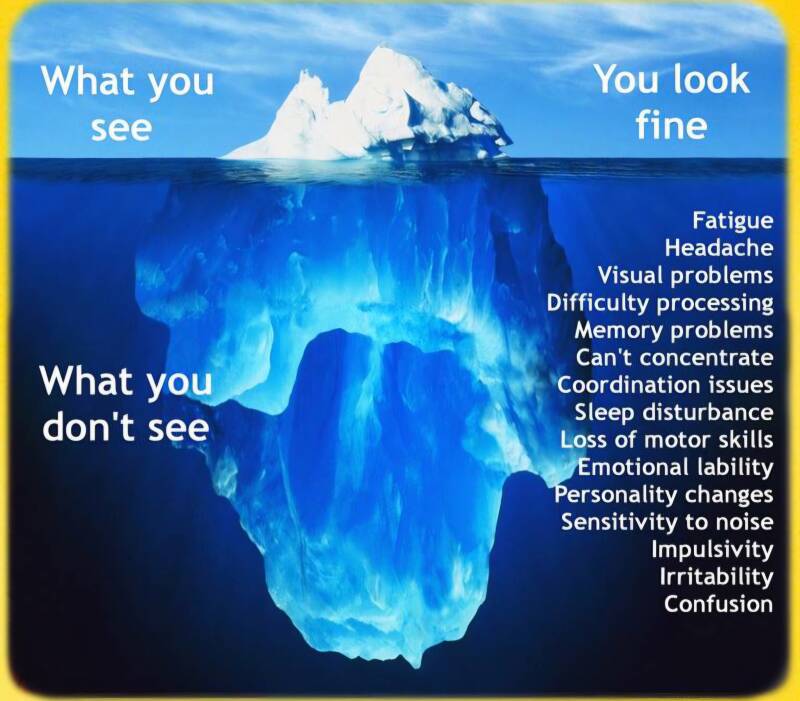
- Physical: Fatigue, muscle weakness, mobility issues, headaches, and trouble with coordination or swallowing.
- Emotional and Behavioral: Mood swings, increased anxiety, depression, irritability, and changes in personality.
Hypoxic and anoxic brain injury
The brain needs a continuous supply of oxygen to survive. If the oxygen supply is interrupted, the functioning of the brain is disturbed immediately and irreversible damage can quickly follow. This is known as hypoxic or anoxic brain injury.
Oxygen is needed for the brain to make use of glucose, its major energy source. If the oxygen supply is interrupted, consciousness will be lost within 15 seconds and damage to the brain begins to occur after about four minutes without oxygen.
A complete interruption of the supply of oxygen to the brain is referred to as cerebral anoxia. If there is still a partial supply of oxygen, but at a level which is inadequate to maintain normal brain function, this is known as cerebral hypoxia. In practice, these two terms tend to be used interchangeable
What causes hypoxic/anoxic brain injury?
There are many potential causes of cerebral anoxia, including:
- Cardiac or respiratory arrest
- Irregular heart rhythm or poor function of the heart muscle after a heart attack, resulting in inefficient supply of blood to the brain
- Very low blood pressure (shock), resulting from blood loss (haemorrhage) or disturbed heart function
- Suffocation
- Choking
- Strangulation
- Very severe asthma attack
- Complication of general anaesthesia (where there has been inadequate oxygen supply or cardiac arrest)
- Near drowning
- Exposure to high altitudes
- Smoke inhalation
- Carbon monoxide inhalation
- Poisoning
- Drug overdose
- Electric shock
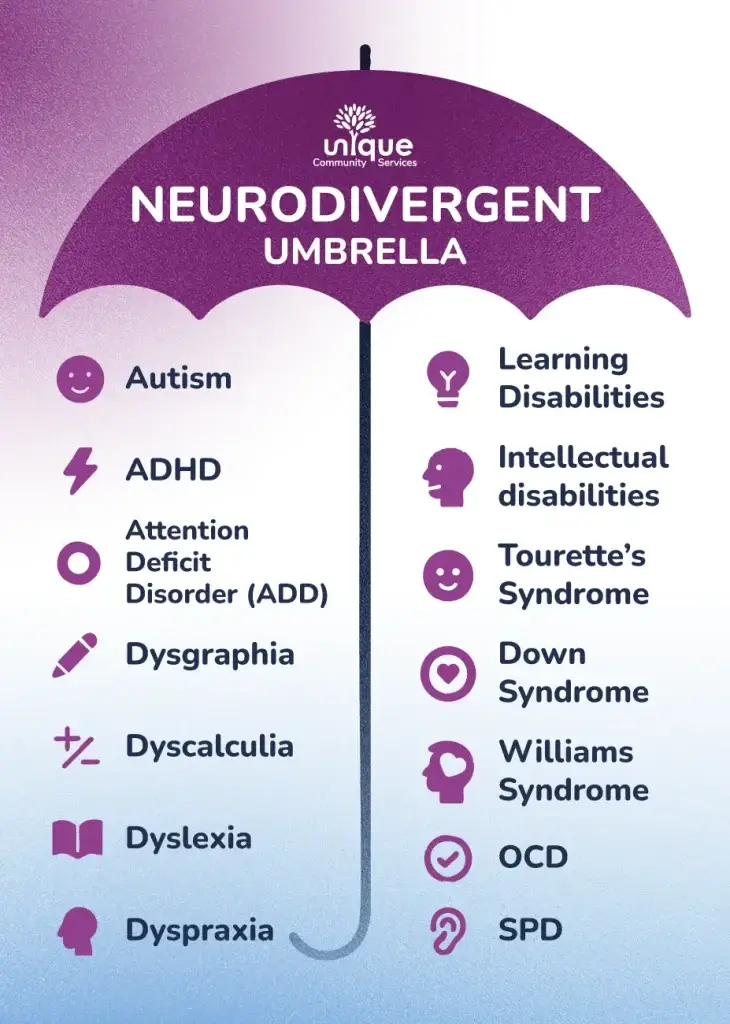

Neurodivergent memory refers to the non-standard ways brains with conditions like ADHD, Autism (AuDHD), and Dyslexia encode, store, and retrieve information. It is often characterized by a "spiky" profile—struggling with short-term working memory while demonstrating exceptional long-term, hyper-focused, or visual recall.
Key Characteristics
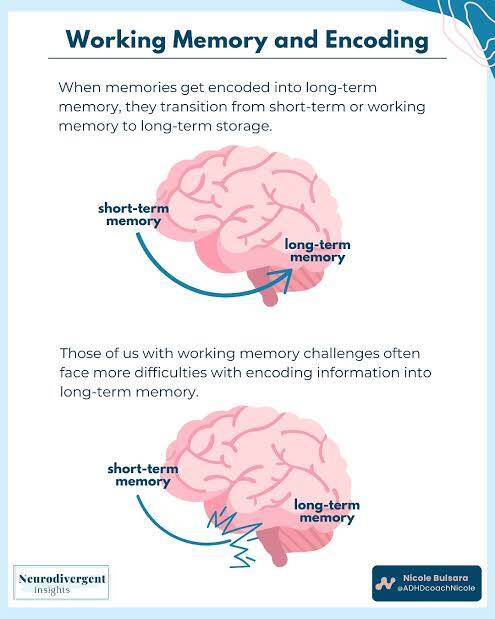
The Working Memory Bottleneck: Neurodivergent brains often have a smaller "mental workspace" for holding and manipulating information in the moment. This can cause you to forget a thought the second you stop speaking, or lose track of multi-step instructions.
Hyper-Focus & State-Dependent Recall: Information learned during periods of high interest or passion is absorbed deeply. However, recall can drop significantly when dopamine levels fall or stress and sensory overload increase.
Detail-Oriented vs. Gist Recall: Many neurodivergent individuals excel at remembering highly specific, factual, or sensory details. Conversely, recalling broader "gist" concepts, names, or faces might prove much more difficult
Common Causes
Attention Shifting (ADHD): Forgetfulness often happens during "encoding"—you might not remember a verbal instruction because your attention was divided or your brain was processing multiple thoughts simultaneously.
Information Filtering (Autism): Autistic brains may filter out social or emotional "episodic" memories while retaining deep, patterned knowledge about special interests.
Brain Fog & Dysautonomia: Co-occurring conditions like POTS or MCAS can reduce blood flow and cause inflammation, further impacting focus and short-term recall